
Summary
This article explains what custom patches are and how they are used across apparel, uniforms, and branding applications. It outlines common patch types including embroidered, woven, PVC, silicone, chenille, and leather patches. The guide compares materials, design detail, and use cases to help readers understand their options. It also explains how custom patches are ordered through a structured production process.
Table of Content
- What Are Custom Patches and How Are They Used?
- What Are Custom Patches?
- What Are Custom Patches Used For?
- Common Types of Custom Patches?
- Custom Patch Types Comparison?
- What Are Embroidered Patches?
- How Custom Patches Are Made?
- How to Choose the Right Custom Patch?
- How to Order Custom Patches?
- Explore Custom Patch Options?
- Related Patch Types and Resources?
- Conclusion
- Frequently Asked Questions
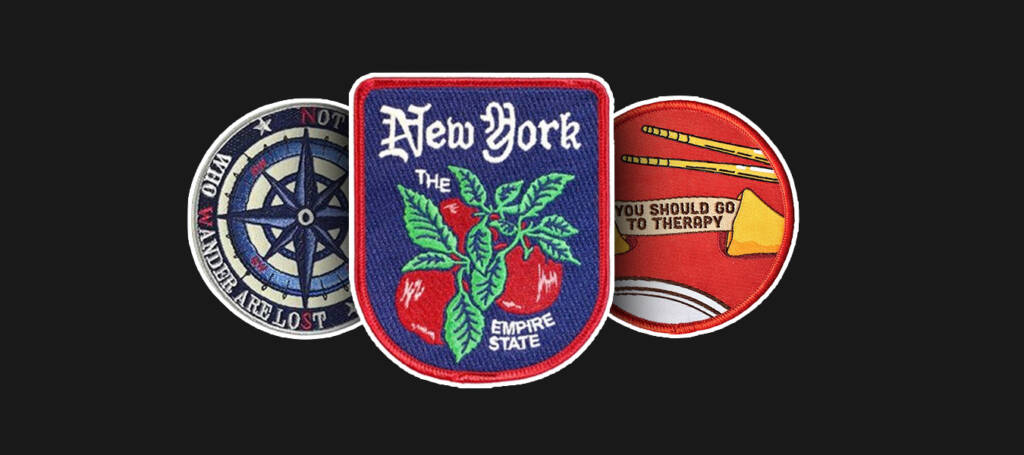
Patch Types
Embroidered
Woven
PVC
Silicone
Chenille
Leather
| Type | Detail | Best Use |
|---|---|---|
| Embroidered | Medium | Uniforms |
| Woven | High | Logos |
| PVC | Medium | Outdoor |
| Silicone | Medium | Hats |
| Chenille | Low–Med | Varsity |
| Leather | Low–Med | Apparel |
How It Works
Submit Your Design or Idea
Get Your Free Digital Proof
Approve Sample & Production
Fast Delivery & Enjoy
What Are Custom Patches and How Are They Used?
Custom patches are a versatile way to add identification, branding, and decoration to apparel and accessories. They are widely used by brands, teams, organizations, and individuals across different industries. This guide explains what custom patches are, the different types available, and how they are commonly used.
What Are Custom Patches?
Custom patches are decorative or functional elements created using fabric, thread, rubber, leather, or similar materials. They feature logos, text, or artwork and are attached to garments, bags, or gear through sewing, heat application, or hook-and-loop backing.
Unlike printed designs, custom patches add texture and structure, making them suitable for long-term wear and repeated use.
What Are Custom Patches Used For?
Custom patches are commonly used for:
- Apparel branding on hats, jackets, and uniforms
- Identification for teams, clubs, and organizations
- Decorative elements on fashion and lifestyle products
- Promotional merchandise and giveaways
- Sports, school, and varsity apparel
Their adaptability makes them suitable for both professional and casual applications.
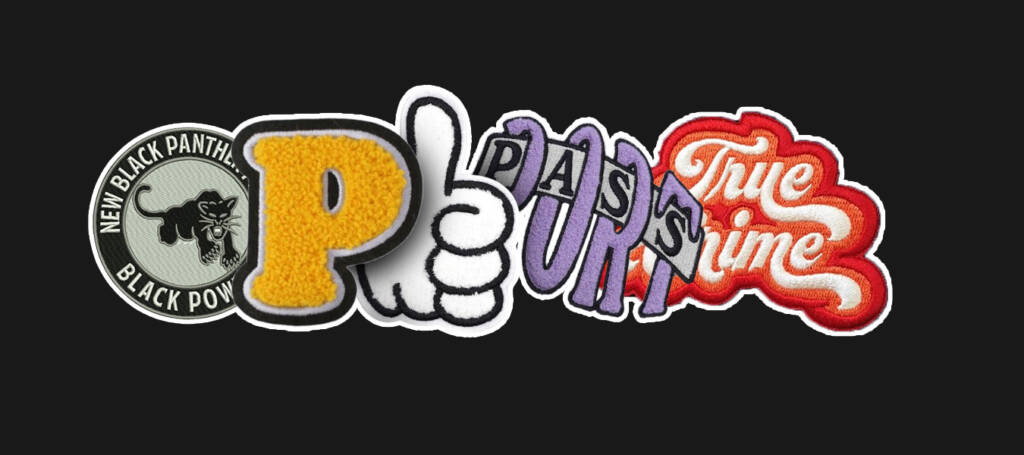
Common Types of Custom Patches
Different patch types are designed to suit specific materials, designs, and usage requirements.
Embroidered Patches
Embroidered patches are made using stitched threads on a fabric base. They are known for durability and texture and are commonly used on uniforms, workwear, and branded apparel.
Woven Patches
Woven patches are created using thinner threads, allowing finer details and smaller text. They are often selected when embroidery cannot accurately reproduce intricate designs.
PVC Patches
PVC patches are made from flexible plastic material. They are waterproof and well suited for outdoor applications, tactical gear, and rugged environments.
Silicone Patches
Silicone patches feature a smooth, lightweight surface. They are commonly used on hats, bags, and modern apparel where a contemporary appearance is preferred.
Chenille Patches
Chenille patches are produced using yarn to create a plush, raised texture. They are widely used for varsity jackets, team apparel, and collegiate branding.
Leather Patches
Leather patches are made from genuine or synthetic leather. They are often used for apparel branding on hats, jackets, and fashion accessories.
Custom Patch Types Comparison
| Patch Type | Material | Best For | Design Detail | Common Uses |
|---|---|---|---|---|
| Embroidered Patches | Thread on fabric | Traditional branding | Medium | Uniforms, workwear, clubs |
| Woven Patches | Thin woven threads | Fine details & small text | High | Logos, labels |
| PVC Patches | Flexible plastic | Outdoor and rugged use | Medium | Tactical gear, backpacks |
| Silicone Patches | Silicone | Modern branding | Medium | Hats, bags, apparel |
| Chenille Patches | Yarn | Varsity apparel | Low–Medium | Letterman jackets |
| Leather Patches | Leather | Apparel branding | Low–Medium | Hats, jackets, fashion |
How Custom Patches Are Made
The custom patch production process typically includes:- Preparing artwork or design files
- Selecting the patch type, size, and backing
- Reviewing and approving a digital proof
- Manufacturing the patches
- Inspecting and packaging the final order
How to Choose the Right Custom Patch
Selecting the right patch depends on:
- Where the patch will be applied (hat, jacket, bag, uniform)
- The level of detail in the design
- Exposure to washing, weather, or friction
- Preferred backing method, such as iron-on or sew-on
Choosing the appropriate patch type helps achieve better performance and appearance.
How to Order Custom Patches
Ordering custom patches with Kwick Patches
- Submitting artwork or a design concept
- Reviewing and approving a digital proof
- Confirming production details
- Receiving the finished patches
Some suppliers also offer sample packs to help compare materials before placing a full order.
Explore Custom Patch Options
Looking to create patches for branding, apparel, or uniforms? Explore available patch styles and request a quote through our simple order form.Related Patch Types and Resources
To explore additional options and guidance, you may find these resources helpful:
- Custom Embroidered Patches
- Custom Woven Patches
- Custom PVC Patches
- Custom Chenille Patches
- Custom Leather Patches
- Custom Patch Sample Packs
- Frequently Asked Questions
Conclusion
Custom patches are a practical solution for branding, identification, and decoration across many applications. Understanding the different patch types and their uses helps ensure the right choice for each project.
Frequently Asked Questions
What is the most common type of custom patch?
Embroidered patches are the most commonly used type of custom patch due to their durability and textured appearance. They are widely applied to uniforms, workwear, and branded apparel
Which custom patch type is best for detailed designs?
Woven patches are often recommended for designs that include fine details or small text. At Kwick Patches, woven patches are used when embroidery cannot accurately reproduce intricate artwork.
Are custom patches waterproof?
Some custom patch types, such as PVC and silicone patches, are waterproof and suitable for outdoor use. Fabric-based patches may require specific backing options depending on exposure conditions.
Can I see a proof before my custom patches are produced?
Yes, Kwick Patches provides a digital proof before production begins. This allows customers to review design details and request adjustments before manufacturing starts.
How long does it take to receive custom patches?
Production timelines depend on the patch type and order quantity. Kwick Patches shares estimated production and delivery timelines after proof approval.
How do I order custom patches from Kwick Patches?
To order custom patches from Kwick Patches, submit your design or idea through the quote form. The team assists with design review, proof approval, and production coordination.